- English
- Español
- Português
- русский
- Français
- 日本語
- Deutsch
- tiếng Việt
- Italiano
- Nederlands
- ภาษาไทย
- Polski
- 한국어
- Svenska
- magyar
- Malay
- বাংলা ভাষার
- Dansk
- Suomi
- हिन्दी
- Pilipino
- Türkçe
- Gaeilge
- العربية
- Indonesia
- Norsk
- تمل
- český
- ελληνικά
- український
- Javanese
- فارسی
- தமிழ்
- తెలుగు
- नेपाली
- Burmese
- български
- ລາວ
- Latine
- Қазақша
- Euskal
- Azərbaycan
- Slovenský jazyk
- Македонски
- Lietuvos
- Eesti Keel
- Română
- Slovenski
- मराठी
- Srpski језик

Why Are Aluminum Windows Resistant to Weather Damage? The Hidden Durability Behind Aluminum Frames
Windows are one of the most exposed parts of any building. Every day, they face sunlight, rain, wind, humidity, and temperature changes. While glass provides visibility and natural light, the window frame plays a key role in protecting the entire system.
Aluminum Windows have become widely used in residential buildings, commercial projects, and modern architecture because of their ability to handle different weather conditions. But what makes aluminum frames more resistant to environmental damage compared with many other materials?
The answer lies in aluminum’s natural properties, surface treatment technology, and structural design.
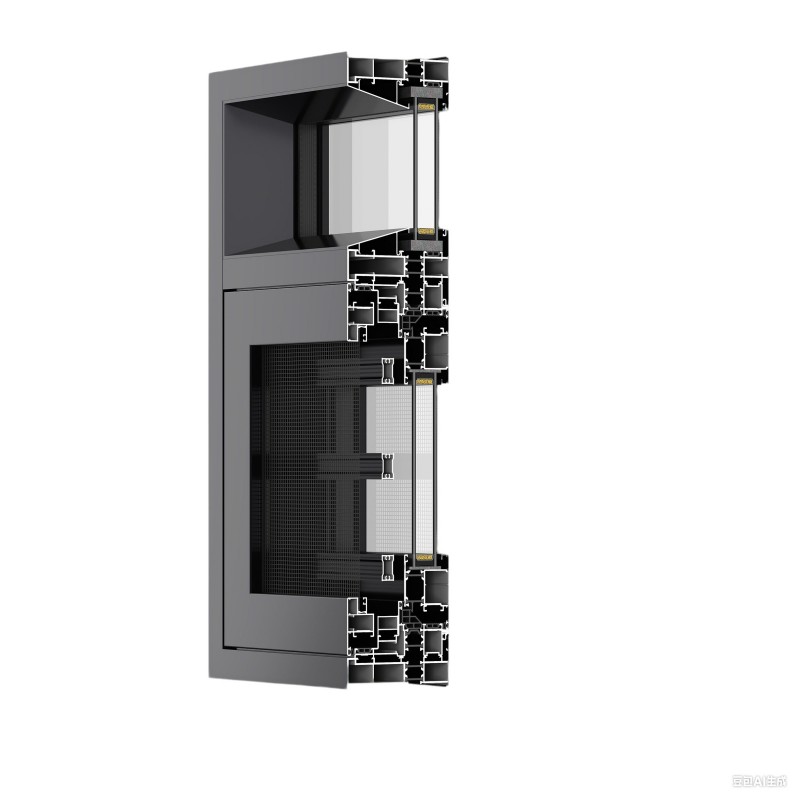
What Makes Aluminum Windows Suitable for Outdoor Environments?
Unlike indoor materials that are protected from environmental changes, window frames must continuously withstand outdoor conditions.
A high-performance window frame needs to deal with:
- Rain and moisture
- Strong sunlight
- Temperature fluctuations
- Wind pressure
- Air pollution
Aluminum has become a popular choice because it combines lightweight properties with strong structural performance and weather resistance.
Why Does Aluminum Resist Corrosion?
One of the most interesting characteristics of aluminum is its natural protective layer.
When aluminum is exposed to oxygen, it forms a thin oxide layer on its surface. This layer acts as a protective barrier that slows further corrosion.
The process can be explained as:
Aluminum surface exposure
↓
Formation of oxide layer
↓
Protection against further oxidation
↓
Improved outdoor durability
This natural characteristic helps aluminum perform well in outdoor applications.
How Do Surface Treatments Improve Aluminum Window Durability?
Although aluminum already has good corrosion resistance, modern aluminum windows often use additional surface treatments to improve appearance and protection.
1. Powder Coating
Powder coating creates a protective decorative layer on the aluminum surface.
It can help improve resistance against:
- UV exposure
- Weather changes
- Surface wear
2. Anodizing
Anodizing strengthens the natural oxide layer of aluminum through an electrochemical process.
This treatment can enhance surface hardness and maintain the metallic appearance of aluminum frames.
3. Fluorocarbon Coating
For buildings exposed to harsh environments, fluorocarbon coatings are sometimes used because of their strong resistance to sunlight and weathering.
Why Are Aluminum Windows Resistant to UV Damage?
Long-term sunlight exposure can cause some materials to fade, crack, or become brittle.
Aluminum frames have strong resistance to ultraviolet radiation because the metal structure itself does not degrade easily under normal sunlight exposure.
Combined with protective coatings, aluminum windows can maintain their appearance for many years.
How Do Aluminum Windows Handle Rain and Humidity?
Moisture is one of the biggest challenges for outdoor building materials.
Aluminum windows are designed with multiple features to manage wet conditions:
- Corrosion-resistant aluminum frames
- Drainage channels
- Weather sealing systems
- Protective surface finishes
These designs help prevent water accumulation and improve long-term performance.
Why Are Aluminum Frames Less Likely to Warp?
Temperature changes can cause some materials to expand, shrink, or deform over time.
Aluminum has good dimensional stability, meaning it can maintain its shape under normal environmental changes.
This is especially valuable for large windows, where frame stability directly affects:
- Window operation
- Sealing performance
- Overall safety
Aluminum Windows vs Other Window Materials
| Feature | Aluminum Windows | PVC Windows | Wood Windows |
|---|---|---|---|
| Weather Resistance | Excellent resistance to outdoor conditions | Good resistance with proper design | Requires more maintenance |
| Corrosion Resistance | Natural oxide protection | Resistant to moisture | Can be affected by humidity |
| Structural Strength | High strength-to-weight ratio | Moderate strength | Depends on wood type |
| Maintenance | Low maintenance | Low maintenance | Regular care may be needed |
| Design Flexibility | Suitable for large glass areas | More limited frame options | Traditional appearance |
Why Are Aluminum Windows Popular in Coastal Areas?
Buildings near oceans often face higher humidity, salt exposure, and stronger environmental challenges.
With suitable surface treatments, aluminum windows can provide reliable performance in coastal environments.
This is one reason aluminum window systems are commonly used in:
- Beach houses
- High-rise buildings
- Commercial projects
- Modern residential developments
How Do Aluminum Windows Support Modern Architecture?
Besides durability, aluminum also offers design advantages.
Its strength allows manufacturers to create slimmer frames that support larger glass panels.
This helps architects achieve:
- More natural lighting
- Wider outdoor views
- Modern minimalist appearances
- Open interior spaces
Can Aluminum Windows Improve Building Sustainability?
Durable materials can contribute to sustainable building design because products with longer service lives may reduce replacement frequency.
In addition, aluminum can be recycled and reused, making it an important material in modern construction.
The Future Development of Weather-Resistant Aluminum Windows
As building requirements continue to increase, aluminum window technology is developing toward:
- Better thermal insulation
- More advanced coatings
- Improved energy efficiency
- Smarter window systems
- More sustainable materials
Conclusion
The weather resistance of aluminum windows comes from a combination of material properties, protective surface treatments, and thoughtful engineering design.
From corrosion resistance and UV protection to structural stability, aluminum frames provide reliable performance in changing outdoor environments.
Behind every aluminum window is more than just a metal frame—it is a carefully designed system that helps buildings stay comfortable, durable, and visually appealing for years.